
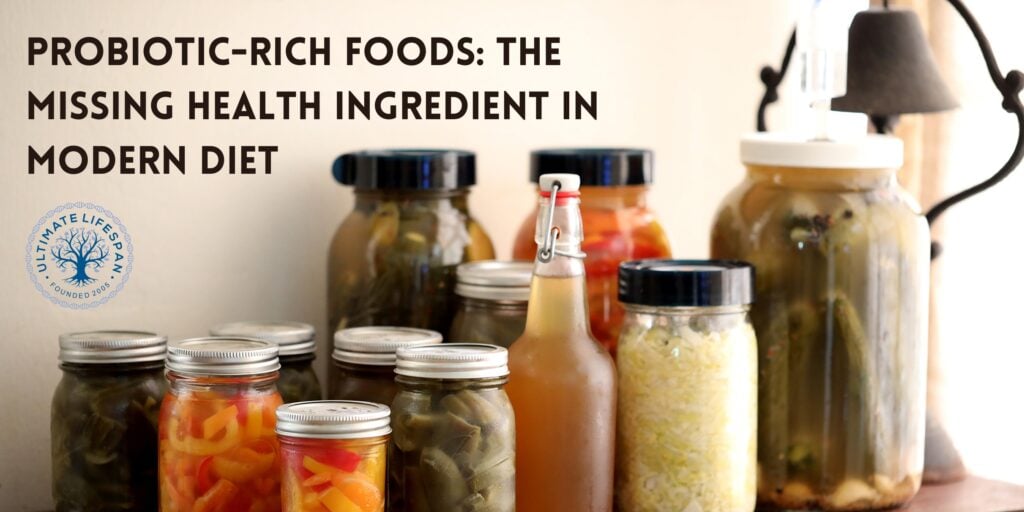
Fermented Foods: Your Gut’s Best Friend
One of the best nutrition tips you’ll ever hear is this: eat more fermented foods! These powerful, gut-loving staples have been around for thousands of years, helping people not only preserve food but also thrive. From sauerkraut to kimchi, kefir to kombucha, fermented foods do wonders for your digestion, immunity, and even mental well-being. It’s all about creating the right environment in your gut—your body’s own ecosystem for optimal health. But there’s a catch: not all fermented foods are created equal. If you’re buying from the store, look for the real stuff: LIVE and unpasteurized.
Why Your Gut Needs Fermented Foods
The magic of fermented foods lies in their probiotics—live beneficial bacteria that support your gut microbiome. But why does your gut need this extra love?
- Supports Healthy Digestion
Your digestive system breaks down and absorbs nutrients, but it can’t do it alone. The beneficial bacteria in fermented foods help break down nutrients, making them more bioavailable (i.e., easier for your body to absorb). They also support the production of digestive enzymes, reducing issues like bloating, gas, or indigestion. In short, your gut thrives when it’s full of diverse, friendly bacteria!
- Boosts Immunity
Did you know roughly 70% of your immune system is in your gut? It’s true! Eating fermented foods promotes a healthy balance of bacteria, which can help your body fend off pathogens and harmful microbes. In essence, good bacteria crowd out the bad, providing you with an added layer of immune protection.
- Improves Mental Well-Being
There’s growing evidence of the gut-brain connection, meaning that a healthy gut can positively influence your mood and mental health. The same bacteria that keep your digestion humming also produce neurotransmitters like serotonin and GABA, which play a big role in your emotional well-being. Feeling a bit low? Try adding some fermented foods consistently to your diet and see if it lightens your mood.
- Enhances Nutrient Absorption
Fermented foods are nutritional powerhouses. Not only are they easier to digest, but the fermentation process often increases the levels of vitamins and minerals, like vitamins C, K, and B. For example, sauerkraut is richer in vitamin C than raw cabbage or even citrus fruits, because fermentation boosts the vitamin’s bioavailability.
- Supports Weight Management
Some studies suggest that probiotics in fermented foods may help regulate metabolism and control appetite. A balanced gut microbiome can influence hormones related to hunger and satiety, potentially making it easier to maintain a healthy weight.
What About Probiotic Supplements?
If you can’t eat or don’t have access to fermented foods, probiotic supplements can be a helpful alternative. These supplements offer a concentrated dose of beneficial bacteria and are widely available in capsule or powder form. Look for products with diverse strains like Lactobacillus and Bifidobacterium, and aim for a supplement with at least 10-20 billion CFUs (colony-forming units) for maximum benefit. While they can’t fully replace the nutrients and enzymes found in whole fermented foods, probiotic supplements can still support a balanced gut and improved digestion.
How to Get the Best Fermented Foods
Not all fermented foods are created equal. To maximize the benefits, focus on raw, live, and unpasteurized options. Here’s how to spot them:
- Look for “Live Cultures” on the Label: Check for words like “live and active cultures,” “unpasteurized,” or “raw.”
- Buy from the Refrigerated Section: Real fermented foods require refrigeration to keep the probiotics alive. Shelf-stable versions are often pasteurized, which kills beneficial bacteria.
- Avoid Vinegar-Fermented Products: Traditional fermentation relies on natural lactic acid, not vinegar. Foods “fermented” with vinegar may have a tangy taste but lack the live bacteria.
Top Fermented Foods to Try
Here are some traditional fermented foods that are easy to find and delicious to eat:
- Sauerkraut – Made from fermented cabbage, this German classic is high in fiber and vitamin C. Look for raw, unpasteurized versions in the refrigerated section.
- Kimchi – A Korean staple, kimchi is made from fermented vegetables (often napa cabbage and radishes) mixed with spices. It’s spicy, savory, and packed with probiotics and vitamin K2.
- Kefir – This fermented dairy drink is like a tangy, drinkable yogurt but with a wider variety of probiotics. You can find it in dairy and non-dairy versions.
- Kombucha – A fizzy, fermented tea, kombucha is often flavored with fruits or herbs. It’s a refreshing way to boost your probiotic intake. Think of it as a healthy soda and with a little effrot, you can learn to make it at home.
- Miso – A fermented soybean paste that’s a staple in Japanese cuisine. Add a spoonful to warm water for a quick miso soup, or use it to flavor dressings, marinades, and soups.
- Tempeh – Another fermented soy product, tempeh is firmer than tofu and has a nutty flavor. It’s rich in protein and probiotics, making it a popular choice for plant-based diets. You should only eat soy in its fermented form!
- Fermented Pickles – Not your typical vinegar pickles! Look for traditional brined versions, which are full of beneficial bacteria.
DIY Fermentation: How to Start at Home
If you’re feeling adventurous, why not try fermenting your own foods? It’s simpler than you might think:
- Start with Sauerkraut: All you need is cabbage and salt. Shred the cabbage, massage it with salt, pack it tightly into a jar so that all the natural liquid is covering the cabbage, and let it ferment for 1 week.
- Make Your Own Yogurt or Kefir: You can buy starter cultures online or at health food stores and make these at home with milk (preferably organic and raw).
- Try Homemade Pickles: Fill a jar with cucumbers, water, and salt, and leave it on your counter for 5-7 days. Add garlic, dill, or chili for extra flavor.
Final Thoughts: Embrace The Flavor
Fermented foods are more than just a food trend—they’re a time-tested tradition that supports your gut, immune system, and overall well-being. Whether it’s the tangy bite of sauerkraut or the refreshing fizz of kombucha, these foods offer a wide range of delicious flavors. If you’re new to fermented foods, start slow; even a few tablespoons a day can introduce a beneficial dose of probiotics. So go ahead, explore these unique flavors, and enjoy the health benefits that come along with them!

About the Author Buck Rizvi
Founder for Ultimate Lifespan. Natural Health Researcher & Evangelist. Father of four. Instrument-rated pilot. Still has trouble impressing his wife and best friend, Daiva.


Popular posts
Session expired
Please log in again. The login page will open in a new tab. After logging in you can close it and return to this page.