
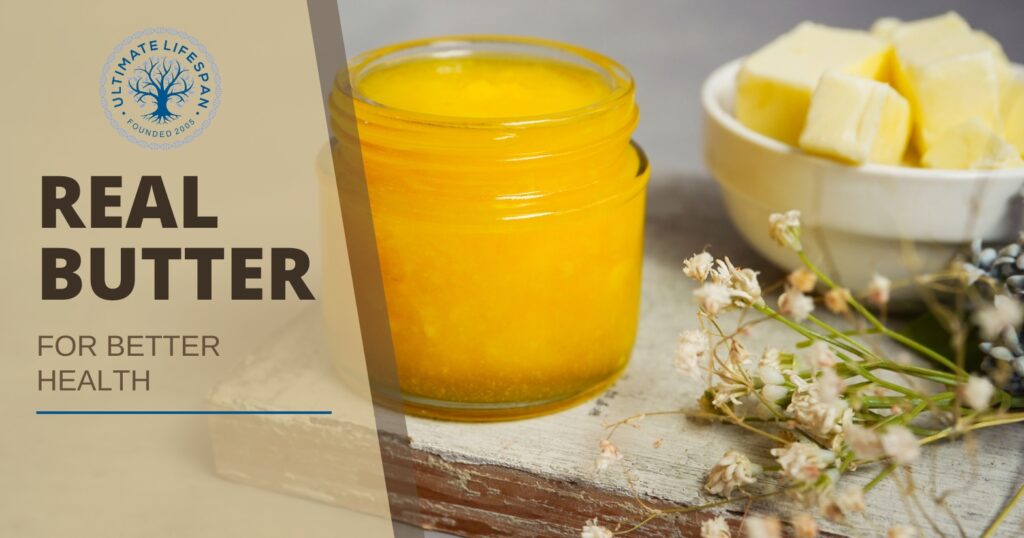
Real Butter: The Healthiest Fat You Can Eat
When it comes to dietary fats, few foods inspire as much debate as butter. For decades, butter was vilified in favor of margarine and other processed oils, but the tide has turned, and butter—especially grass-fed butter—is back in the spotlight. Why? Because this ancestral fat is not only delicious but also packed with nutrients and health benefits that make it one of the healthiest fats you can include in your diet.
Let’s explore why grass-fed butter stands out as a nutritional powerhouse and why it deserves a place at your table.
What Makes Grass-Fed Butter Different?
Not all butter is created equal. The key difference lies in the diet of the cows. Grass-fed butter comes from cows that graze on pasture, eating a diet the way nature intended. This results in a significantly different nutrient profile compared to butter from grain-fed cows.
Grass-fed butter is higher in:
- Vitamins: Especially fat-soluble vitamins A, D, E, and K2.
- Healthy fats: Including omega-3 fatty acids and conjugated linoleic acid (CLA).
- Antioxidants: Such as beta-carotene, which gives grass-fed butter its rich yellow hue.
These differences aren’t just trivial—they have a profound impact on your health.
The Nutritional Power of Grass-Fed Butter
- Rich in Fat-Soluble Vitamins
Grass-fed butter is one of the best sources of vitamin K2, a critical nutrient that supports bone health, heart health, and proper calcium utilization. Along with vitamins A, D, and E, these fat-soluble vitamins are essential for immune function, vision, and healthy skin.
Vitamin K2, in particular, is a standout. It helps direct calcium to where it belongs (your bones and teeth) and keeps it away from where it doesn’t (your arteries and soft tissues).
- Packed with Healthy Fats
Contrary to outdated dietary advice, not all saturated fats are bad for you. In fact, the saturated fat in grass-fed butter provides a stable source of energy, supports brain health, and plays a role in hormone production.
Grass-fed butter is also rich in omega-3 fatty acids, which are anti-inflammatory and support heart and brain health. Additionally, it contains CLA, a unique fat that has been studied for its potential to reduce body fat, boost metabolism, and support immune function.
- A Source of Short-Chain Fatty Acids
Grass-fed butter contains butyrate, a short-chain fatty acid that provides fuel for the cells lining your gut. Butyrate is anti-inflammatory and has been shown to improve gut health, support digestion, and even regulate blood sugar levels.
Why Grass-Fed Butter Beats Processed Oils
The modern dietary landscape is filled with highly processed vegetable oils and margarine that claim to be “heart-healthy.” But these industrial oils, such as canola, soybean, and corn oil, are often rich in omega-6 fatty acids. While omega-6 fats are essential in small amounts, excess consumption—common in the modern diet—can lead to chronic inflammation, which is linked to most chronic diseases.
Grass-fed butter, on the other hand, offers a balanced fat profile without the risks associated with processed oils. It’s free of harmful trans fats, which are artificially created in hydrogenated oils and linked to heart disease.
The Role of Butter in a Balanced Diet
Butter isn’t just healthy—it’s versatile. Its high smoke point, especially when clarified into ghee, makes it an excellent choice for cooking at higher temperatures without breaking down into harmful compounds. Its rich, creamy flavor elevates both sweet and savory dishes, enhancing the enjoyment of your meals.
Unlike processed oils, butter is minimally processed, retaining its natural nutrients. And yes, go ahead and slather it on everything! Grass-fed butter and ghee not only make your food more delicious but also aid in the absorption of fat-soluble vitamins and other nutrients from your meals. This ancestral fat isn’t just a healthy choice—it’s a flavorful way to nourish your body. Here are a few practical ways to enjoy it:
- In cooking: Sauté vegetables, fry eggs, or sear meats in butter for a flavorful, nutrient-dense meal.
- As a topping: Spread on fresh bread or melt over steamed vegetables for a satisfying finish and enhanced absorption of minerals.
- In coffee or tea: Blend into your morning brew for a creamy, energy-boosting start to the day.
Common Myths About Butter
Despite its resurgence in popularity, butter still faces some common misconceptions:
- “Butter is bad for your heart.”
This myth stems from outdated research linking saturated fat to heart disease. Recent studies have shown that there’s no significant evidence to support this claim. In fact, the fats in grass-fed butter may support cardiovascular health by reducing inflammation and improving cholesterol ratios. - “Butter makes you fat.”
While butter is calorie-dense, it’s also highly satiating. Including healthy fats like butter in your diet can help you feel full longer, curb sugar cravings, and potentially prevent overeating. - “Plant-based spreads are healthier.”
Many margarine and plant-based spreads are highly processed and contain inflammatory ingredients like refined oils. Grass-fed butter, in contrast, is a whole food with a simple, natural ingredient list.
Butter’s Role in Ancestral Diets
For millennia, traditional cultures valued butter as a nutrient-rich staple. From the golden ghee of India to the creamy butter of Northern Europe, this ancestral fat has nourished generations. Grass-fed butter aligns perfectly with ancestral dietary principles, which prioritize whole, nutrient-dense foods.
Weston A. Price, a pioneering researcher in nutrition, found that cultures consuming grass-fed dairy products—including butter—enjoyed strong bones, healthy teeth, and robust health. His findings underscore the importance of quality fats in the diet.
Choosing the Right Butter
To reap the benefits of butter, quality matters. When shopping for butter, look for these characteristics:
- Grass-fed: Ensure it comes from cows that graze on pasture, as this impacts nutrient content. Brands like Kerrygold or local farm-sourced options are excellent choices.
- Organic: This ensures the cows aren’t exposed to pesticides, antibiotics, or synthetic hormones.
- Ghee (for cooking): Use unsalted ghee to have better control over seasoning.
Conclusion: Why Grass-Fed Butter is the Healthiest Fat
Grass-fed butter isn’t just a delicious addition to your meals—it’s a nutrient-dense superfood that supports your body in countless ways. Rich in vitamins, healthy fats, and antioxidants, it’s a far cry from the processed oils and spreads that dominate today’s food landscape.
By choosing grass-fed butter, you’re embracing a wholesome, ancestral fat that nourishes your body and enhances your cooking. Whether you’re spreading it on warm bread, melting it over vegetables, or incorporating it into a keto-friendly coffee, this golden treasure is a gift to your health.
Sources:
SALLY FALLON AND MARY G. ENIG, PHD. Why butter is better. The Weston A. Price Foundation. JANUARY 1, 2000.
Makayla Meixner MS, RDN. 7 reasons to switch to grass-fed butter. Healthline. May 28, 2019.
Gaeini Z, Mirmiran P, Bahadoran Z, Aghayan M, Azizi F. The association between dietary fats and the incidence risk of cardiovascular outcomes: Tehran Lipid and Glucose Study. Nutr Metab (Lond). 2021 Oct 30.
Trieu K, Bhat S, Dai Z, Leander K, Gigante B, Qian F, Korat AVA, Sun Q, Pan XF, Laguzzi F, Cederholm T, de Faire U, Hellénius ML, Wu JHY, Risérus U, Marklund M. Biomarkers of dairy fat intake, incident cardiovascular disease, and all-cause mortality: A cohort study, systematic review, and meta-analysis. PLoS Med. 2021 Sep 2.
Deepshikha Kataria, Gurmeet Singh. Health benefits of ghee: Review of Ayurveda and modern science perspectives. Journal of Ayurveda and Integrative Medicine. January–February 2024.
About the Author Buck Rizvi
Founder for Ultimate Lifespan. Natural Health Researcher & Evangelist. Father of four. Instrument-rated pilot. Still has trouble impressing his wife and best friend, Daiva.


Popular posts
Session expired
Please log in again. The login page will open in a new tab. After logging in you can close it and return to this page.