
The Statin Paradox: Rethinking Cholesterol and Heart Health
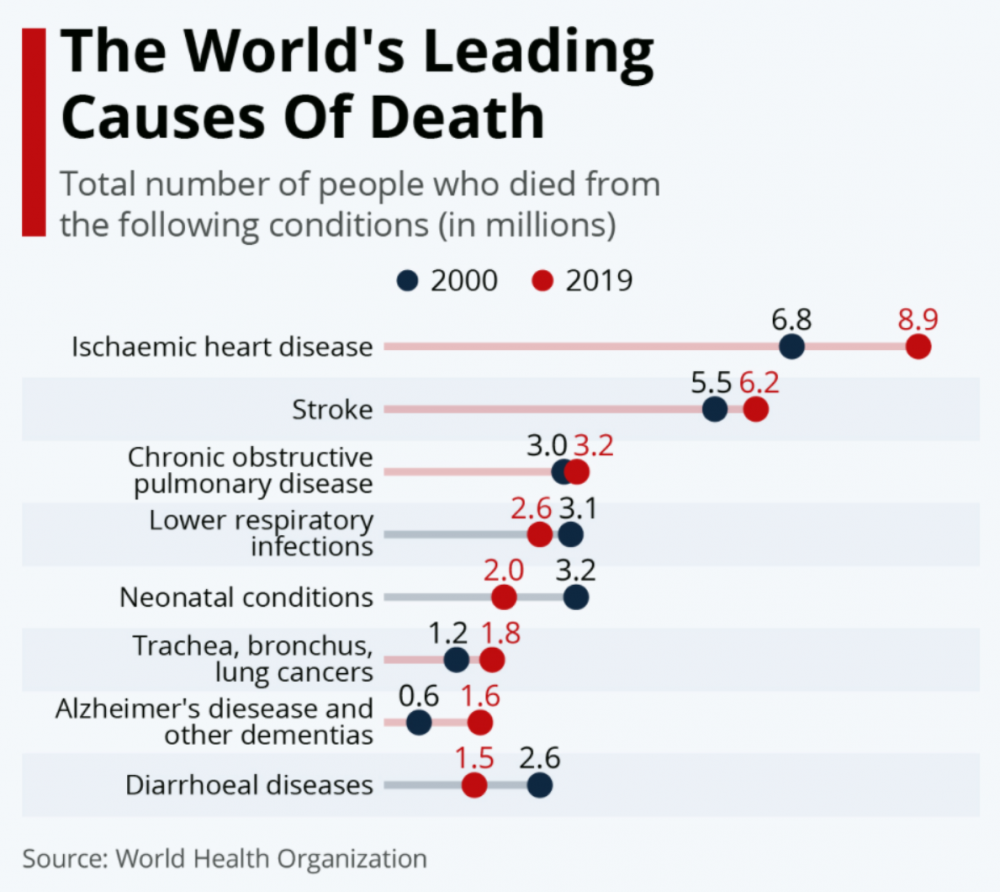
Despite a staggering annual expenditure of $32 billion on statins, the number one cause of death worldwide is still heart disease, raising questions about the efficacy of these widely prescribed medications. This article delves into the often-overlooked complexities of cholesterol, challenging the conventional narrative and exploring the vital roles this lipid plays in our bodies.
The Essential Nature of Cholesterol
Cholesterol, often vilified, is a multifaceted lipid essential for the proper functioning of the human body. It serves as a fundamental building block for cell membranes, contributing to their structural integrity and fluidity. Beyond its structural role, cholesterol acts as a precursor for the synthesis of vital hormones, including sex hormones (estrogen and testosterone) and adrenal hormones (cortisol).
Cholesterol also plays a crucial part in the production of vitamin D, which is integral to bone health and immune system function. As an antioxidant, cholesterol combats oxidative stress, helping to shield cells from damage. Furthermore, this versatile lipid aids in the digestion process by forming bile acids, facilitating the absorption of fat-soluble vitamins in the small intestine.
Contrary to its often-demonized image, cholesterol is indispensable for the body’s overall health, with its diverse roles extending far beyond its association with cardiovascular health.
Inflammation, Not Cholesterol, Drives Heart Disease
Contrary to the prevailing belief that cholesterol is the primary culprit behind heart disease, mounting evidence suggests that inflammation plays a central role. Elevated cholesterol levels are a response to systemic inflammation, indicating the body’s attempt to repair damaged tissues, particularly in arteries. Artificially lowering cholesterol with statins might provide a temporary “solution”, but it does not address the root cause – inflammation.
Cholesterol Distribution Across Age Groups
Dispelling the myth that cholesterol levels should remain constant throughout life, research reveals that age influences these levels. As individuals age, the body’s demand for cholesterol increases, contributing to higher levels in older populations. Rather than viewing elevated cholesterol in seniors as a health risk, it may be indicative of the body’s heightened need for this essential lipid.
Cholesterol Ratios Matter
Focusing solely on total cholesterol levels oversimplifies the complex relationship between different cholesterol types. High-Density Lipoprotein (HDL), Low-Density Lipoprotein (LDL), and total cholesterol ratios offer a more nuanced perspective on heart health. Elevated triglyceride levels, often neglected in traditional assessments, can serve as a red flag, indicating potential cardiovascular issues.
The Fallacy of Low-Fat Diets
The conventional wisdom advocating low-fat diets as a means to reduce cholesterol is deeply flawed. In reality, such diets may lead to increased carbohydrate consumption and cravings, since liver uses carbohydrates to make cholesterol, potentially exacerbating the very issues they aim to address. The intricate balance between fats, carbohydrates, and proteins plays a pivotal role in maintaining overall health.
Cholesterol in Food versus Cholesterol in the Blood
The misconception that dietary cholesterol directly translates to increased blood cholesterol levels is debunked by scientific evidence. Consuming cholesterol-rich foods does not necessarily lead to elevated cholesterol in the bloodstream. The focus should shift towards a holistic understanding of diet, considering the types of fats consumed and their impact on health.
Vegetable Oils: A Misleading Label
Despite being labeled “heart-healthy” by the American Heart Association (AHA), these industrial seed oils directly contribute to inflammation, obesity, and cholesterol elevation due to the systemic inflammation that they cause. The discrepancy between nutritional recommendations and scientific findings underscores the need for a critical reevaluation of the chronically flawed USDA dietary guidelines.
The Vegetable Oil Paradox: Unraveling the Historical Threads
Delving into the historical context of heart disease and the introduction of vegetable oils into American kitchens offers a compelling perspective on their potential impact on cardiovascular health. Heart disease made its ominous debut in the later 1800s, a time when significant changes were occurring in dietary practices. It is noteworthy that vegetable oils, a staple in modern cooking, made their entry into Americans’ kitchens during the same historical period.
One telling example is cottonseed oil, a byproduct that underwent a remarkable transformation. In the late 1800s, Popular Science noted its evolution: “What was garbage in 1860 was fertilizer in 1870, cattle feed in 1880, and table food and many things else in 1890.” The butter-like byproduct from the cotton industry eventually found its way into American households when Procter and Gamble introduced it as Crisco in 1911. This marked a significant shift in cooking practices and dietary habits. That’s when we were skillfully convinced that animal fats were dirty and unhealthy, and these “clean” new cooking fats were the latest and greatest healthy invention. Lab made fats are never healthy.
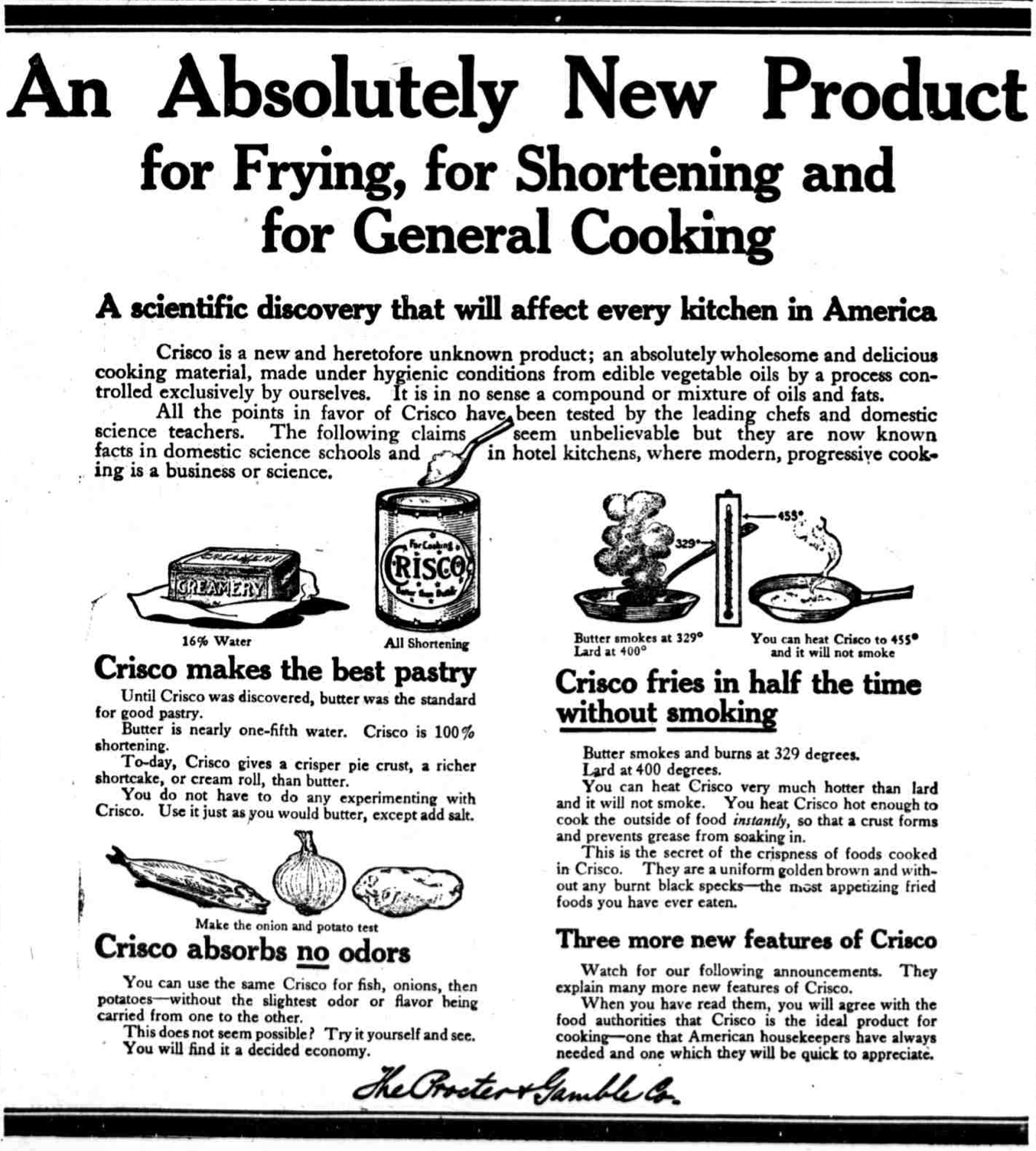
The intriguing correlation between the advent of these so-called “heart-healthy” oils and the sudden emergence of heart disease should not be dismissed as mere coincidence. The timeline aligns suspiciously, raising questions about the role these oils might have played in the surge of cardiovascular issues. As we examine the historical intersection of heart disease and the introduction of vegetable oils, it becomes increasingly apparent that a deeper exploration of these dietary shifts is warranted to better understand their potential implications for heart health.
The Wise Traditions Diet for Optimal Health
In contrast to prevailing dietary trends, adhering to a Wise Traditions diet emphasizes nutrient-dense, whole foods that promote health and well-being. This approach recognizes the importance of embracing dietary practices that align with our evolutionary history, challenging the dogma surrounding low-fat diets.
Central to the Wise Traditions diet is the emphasis on nutrient-dense, whole foods that nourish the body and support optimal health. Incorporating a variety of traditional, unprocessed foods can contribute to a well-rounded diet.
Pasture-raised meats, rich in essential fatty acids, provide a source of high-quality protein. Fermented foods, such as sauerkraut and kimchi, support gut health and aid in digestion. Locally sourced, organic fruits and vegetables offer a spectrum of vitamins and minerals. Whole grains, properly prepared through soaking or sprouting, ensure better nutrient absorption.
By embracing these time-tested dietary principles, individuals may foster a nutritional environment conducive to overall well-being.
Herbal Allies for Healthy Cholesterol Levels
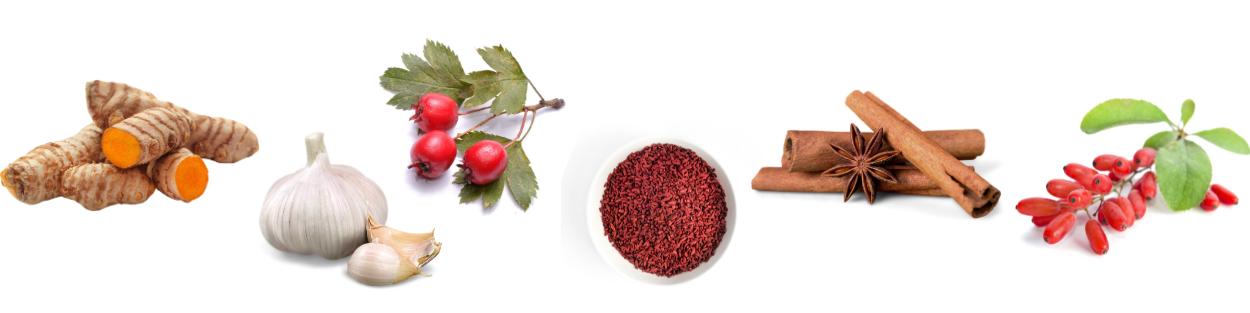
In the pursuit of maintaining healthy cholesterol levels, various herbs have shown promise in supporting cardiovascular wellness. These herbal allies, when integrated into a holistic health regimen, may offer valuable contributions:
Turmeric (Curcumin):
- Anti-Inflammatory Powerhouse:
- Curcumin, the active compound in turmeric, possesses potent anti-inflammatory properties.
- Targets inflammation at the molecular level, potentially reducing the risk of chronic diseases linked to inflammation, including cardiovascular issues.
- Antioxidant Action:
- Acts as a powerful antioxidant, neutralizing free radicals that contribute to oxidative stress.
- May protect cholesterol particles from oxidative damage and support overall heart health.
Garlic:
- Cholesterol Regulation:
- Contains allicin, a sulfur compound with cholesterol-lowering effects.
- May inhibit enzymes involved in cholesterol synthesis, potentially reducing LDL cholesterol levels.
- Anti-Inflammatory and Antioxidant Properties:
- Exhibits anti-inflammatory and antioxidant properties, contributing to cardiovascular health.
- May improve blood vessel function and reduce the risk of atherosclerosis.
Hawthorn:
- Circulatory Support:
- Traditionally used to enhance circulation and blood flow.
- May support overall cardiovascular health by improving the efficiency of blood transport.
- Cholesterol Management:
- Some studies suggest potential benefits in maintaining healthy cholesterol levels.
- Acts as a gentle tonic for the heart, promoting its optimal function.
Barberry:
- Berberine Content:
- Contains berberine, a compound with demonstrated cholesterol-lowering effects.
- May help regulate cholesterol metabolism and improve lipid profiles.
- Anti-Inflammatory Effects:
- Exhibits anti-inflammatory properties that may contribute to cardiovascular health.
- Supports a holistic approach to managing inflammation and cholesterol balance.
Red Yeast Rice:
- Natural Statins:
- Contains naturally occurring statins, compounds with cholesterol-lowering properties.
- May help regulate cholesterol synthesis in the liver, promoting a healthier lipid profile.
- Cardiovascular Support:
- Traditionally used in Chinese medicine for cardiovascular health.
- May provide a natural alternative for individuals seeking cholesterol management.
Cinnamon:
- Antioxidant Benefits:
- Rich in antioxidants that combat oxidative stress.
- May contribute to the prevention of cholesterol oxidation and support heart health.
- Lipid Metabolism Support:
- Some studies suggest cinnamon’s potential to positively influence lipid metabolism.
- May aid in maintaining healthy cholesterol levels through various mechanisms.
These herbs, when used judiciously and in consultation with holistic healthcare professionals, can complement a Wise Traditions diet and contribute to a comprehensive approach to cardiovascular well-being.
Optimizing Digestion for Comprehensive Health and Cholesterol Balance
Beyond dietary choices and herbal supplementation, optimizing digestion plays a pivotal role in achieving overall health and maintaining balanced cholesterol levels. A well-functioning digestive system ensures efficient absorption of nutrients, including those crucial for cardiovascular well-being.
The Wise Traditions diet encourages the consumption of fermented foods, which not only support gut health but also aid in digestion. Additionally, the herbs mentioned earlier, such as turmeric, garlic, and cinnamon, are renowned for their digestive benefits. Improved digestion contributes to a harmonious interplay of nutrients, fostering an environment where the body can better utilize cholesterol for its essential functions without an excessive buildup.
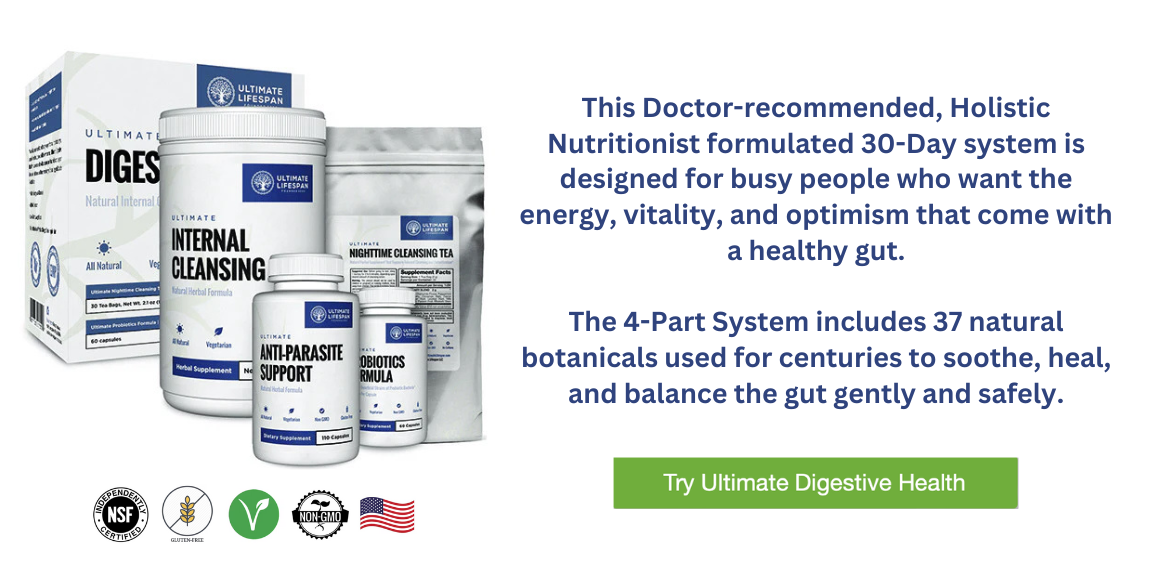
Recognizing the integral connection between digestion and cardiovascular health, our Ultimate Digestive Health product harnesses the power of these herbs to promote digestive well-being, offering a holistic approach to support overall health and maintain healthy cholesterol levels.
Conclusion
The soaring rates of Coronary Heart Disease, despite substantial investments in statins, prompt a reevaluation of our understanding of cholesterol and heart health. Cholesterol, far from being an adversary, is an essential player in our body’s intricate system. Recognizing the nuanced roles it plays and addressing the root cause of inflammation may pave the way for a more effective approach to cardiovascular health—one that goes beyond the simplistic paradigm of lowering cholesterol at any cost.
Sources
DiNicolantonio JJ, O’Keefe JH Omega-6 vegetable oils as a driver of coronary heart disease: the oxidized linoleic acid hypothesis Open Heart 2018;5:e000898. doi: 10.1136/openhrt-2018-000898
About the Author Daiva Rizvi
As a holistic nutritionist and certified classical homeopath, I believe that vibrant health is the foundation of great life, and food and our environment has everything to do with our health. We all eat, every day. Sadly, this vital, pleasurable and such primal activity has become so confusing, stressful, and complicated for majority of us, that it is starting to look a lot like rocket science. My mission is to help you navigate through the ever changing and puzzling landscape of nutrition by weeding out all the noise and focusing on what’s truly important. Make it simple and fun.
follow me on:


Popular posts
Session expired
Please log in again. The login page will open in a new tab. After logging in you can close it and return to this page.