
The Hidden Health Costs of Regular Over-the-Counter Pain Killers
Most medicine cabinets are stocked with over-the-counter pain relievers. Acetaminophen, ibuprofen, naproxen, and aspirin are used by millions every day to manage backaches, joint pain, tension headaches, and sore muscles. Because these drugs are sold without a prescription and widely recommended, they’re often viewed as low-risk. They’re taken casually—sometimes daily—for years.
Yet when used regularly over time, these medications can take a toll on the body. The effects are rarely immediate or dramatic. They tend to build slowly and quietly, showing up as digestive discomfort, liver stress, kidney strain, or persistent inflammation that doesn’t resolve. Because symptoms are subtle at first, they’re often dismissed or misattributed to aging or unrelated issues.
Over-the-counter pain relievers are not neutral. They alter critical physiological processes that the body relies on for regulation and repair. When used frequently, they may disrupt those processes in ways that compound over time.
How OTC Pain Killers Impact the Digestive Tract
NSAIDs—short for nonsteroidal anti-inflammatory drugs—include ibuprofen, naproxen, and aspirin. These medications work by blocking enzymes involved in the inflammatory response. While that’s helpful for pain, those same enzymes also play a role in protecting the lining of the stomach and intestines. When enzyme activity is suppressed, so is the gut’s ability to shield itself.
This leads to a range of gastrointestinal effects. Some people experience stomach upset, reflux, or nausea. With long-term use, ulcers, bleeding, and more severe damage can occur. NSAIDs are particularly problematic for the small intestine, where they can compromise the mucosal barrier. Once weakened, this barrier allows larger molecules—including partially digested proteins and bacterial byproducts—to enter the bloodstream.
That process contributes to what is often called “leaky gut.” As foreign particles cross into circulation, the immune system responds with low-grade inflammation that can spread throughout the body. This has been associated with a number of chronic conditions, including joint pain, fatigue, autoimmunity, and mood disorders. Taking NSAIDs with food may reduce immediate irritation, but it doesn’t prevent this breakdown from occurring over time.
The Liver and Acetaminophen
Unlike NSAIDs, acetaminophen doesn’t reduce inflammation or cause stomach issues in most people. Its impact is centered elsewhere—mainly in the liver. The liver is responsible for metabolizing acetaminophen and converting it into forms that can be safely eliminated. But this process isn’t perfect. A small portion is always converted into a toxic byproduct called NAPQI. Normally, the liver can neutralize it with glutathione, an antioxidant stored in liver tissue.
The problem arises when acetaminophen is used in high doses or on a regular basis. In those cases, the body can deplete its glutathione reserves faster than it can replenish them. Once that happens, NAPQI begins to accumulate and damage liver cells. Most people won’t notice symptoms at first, but over time this can lead to liver inflammation or reduced detox capacity. In serious cases, it can lead to liver failure.
The risk increases significantly when acetaminophen is combined with alcohol. Even moderate drinking puts extra strain on the liver, and the two substances together can overwhelm detox pathways more quickly. The concern isn’t just with overdose—regular use over weeks and months can create cumulative stress the body struggles to resolve.
Kidney Damage: A Quiet Threat
Both NSAIDs and acetaminophen can affect the kidneys. NSAIDs reduce the production of prostaglandins, compounds that help maintain blood flow to the kidneys. Without adequate blood flow, filtration declines, and the kidneys become more vulnerable to injury.
Initially, kidney stress may not cause obvious symptoms. People may notice swelling in the legs, fatigue, or changes in urination, but these often go unnoticed. Over time, regular use of these drugs can contribute to chronic kidney disease, particularly in people with other risk factors such as high blood pressure, diabetes, or dehydration.
Acetaminophen carries risk as well, though it acts through different pathways. Long-term use may increase the risk of end-stage renal disease, especially when combined with NSAIDs or alcohol.
Effects on the Heart and Circulatory System
NSAIDs also influence cardiovascular function. Regular use has been linked to elevated blood pressure, increased risk of heart attack, and changes in clotting. These effects may be more pronounced in people with existing heart conditions or a history of cardiovascular problems, but anyone using NSAIDs daily or even weekly should be aware of the potential for increased risk.
Some NSAIDs, like diclofenac (prescription), have a stronger association with cardiac events, but even common drugs like ibuprofen carry measurable risk when used frequently over time. While occasional use is unlikely to cause major problems, chronic exposure may set the stage for complications.
One Drug Leads to Another
What often happens is that the side effects of pain medication lead to new symptoms that are treated with additional drugs. Stomach irritation from NSAIDs may prompt a prescription for proton pump inhibitors (PPIs). Fatigue or swelling caused by kidney stress may be addressed with diuretics or blood pressure medications. These new drugs come with their own side effects, leading to further treatment and additional strain on the body.
This is known as the prescribing cascade. It begins when a drug causes a side effect that is mistaken for a new condition. Rather than removing the cause, another medication is introduced. Over time, the list grows longer. Pain, digestive distress, and systemic inflammation remain unresolved while the body becomes more dependent on pharmaceuticals for basic regulation.
Pain as a Communication Tool
Pain is a signal. It’s the body’s way of indicating that something is wrong—something needs attention. Whether that’s a structural imbalance, a nutritional deficiency, an injury, or a state of chronic stress, the sensation of pain exists to prompt change or adaptation.
Suppressing pain doesn’t always resolve the underlying issue. Sometimes it allows that issue to deepen. In some cases, it introduces new problems. For example, rebound headaches from pain medication overuse are common. The medication itself begins to create the symptom it’s meant to suppress.
Of course, there are moments when medication is appropriate and necessary. The key is not whether to use it at all, but whether to rely on it without also exploring and addressing the root causes of pain.
Supporting the Body After Medication Use
If pain medication has been used frequently in the past, the body may benefit from focused support. This is especially true for the digestive tract, which takes the brunt of the damage from NSAIDs and suffers indirectly from acetaminophen’s effects on the liver.
Herbal and botanical support can play a role in recovery. Compounds from slippery elm, marshmallow root, licorice root, aloe vera, and fennel seed have long histories of use in traditional medicine for soothing and repairing the gut lining. These herbs may help reduce inflammation, rebuild mucosal integrity, and encourage the rebalancing of the gut microbiome.
Rebuilding the body’s resilience can take time, especially if medication use was long-term. Gentle support of the liver and kidneys may also be helpful, particularly through food-based detoxification protocols that encourage natural elimination rather than aggressive purging.
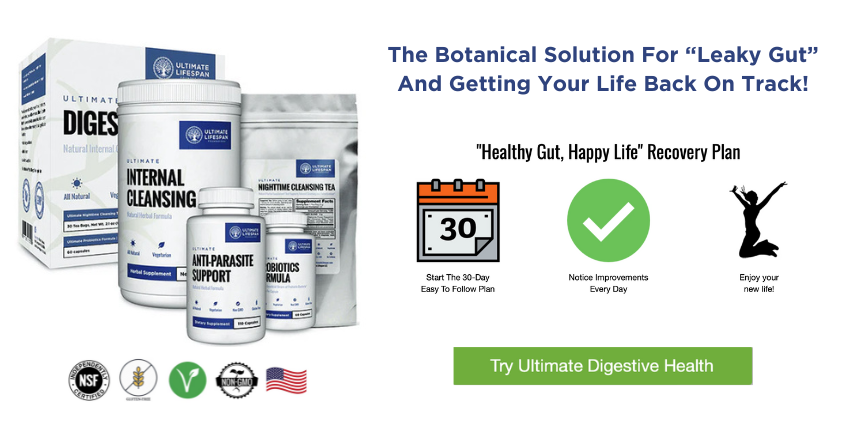
One program designed with this type of repair in mind is the Ultimate Digestive Health 30-Day System, which combines anti-inflammatory herbs, antiparasitic support, and a mild detoxifying tea. These types of systems may help reduce the symptoms that led to chronic pain medication use in the first place.
Rethinking the Role of Pain Medications
Pain relief is not inherently wrong. Pain itself can be exhausting and disruptive. But chronic use of over-the-counter pain medications often leads to unintended consequences—many of which are serious, subtle, and long-term.
By stepping back and understanding the full impact of these drugs, it becomes easier to make informed decisions. There is value in seeking short-term relief, but there’s also value in listening to the body, asking deeper questions, and exploring solutions that go beyond suppression.
Healing begins when we stop numbing signals and start responding to them. The long-term health of the gut, liver, kidneys, and cardiovascular system depends on that shift. Every step away from dependency on daily medication is a step toward a stronger, more resilient body.
Sources
U.S. Food and Drug Administration. FDA Drug Safety Communication: FDA Strengthens Warning That Non-Aspirin Nonsteroidal Anti-Inflammatory Drugs (NSAIDs) Can Cause Heart Attacks or Strokes. 9 July 2015. Accessed 4 Nov. 2025.
U.S. Food and Drug Administration. FDA Drug Safety Communication: Prescription Acetaminophen Products to Be Limited to 325 mg Per Dosage Unit. 13 Jan. 2011. Accessed 4 Nov. 2025.
National Institute of Diabetes and Digestive and Kidney Diseases. Keeping Kidneys Safe: Smart Choices About Medicines. U.S. Department of Health and Human Services, June, 2018. Accessed 4 Nov. 2025.
Lanas, Ángel et al. Risk of upper and lower gastrointestinal bleeding in patients taking nonsteroidal anti-inflammatory drugs, antiplatelet agents, or anticoagulants. Clinical gastroenterology and hepatology : the official clinical practice journal of the American Gastroenterological Association vol. 13,5 (2015)
Scirè, Carlo A., et al. Non-Steroidal Anti-Inflammatory Drugs and the Gastrointestinal Tract. The Lancet Gastroenterology, vol. 21, no. 2, 2021, pp. 639–648. Accessed 4 Nov. 2025.
About the Author Buck Rizvi
Founder for Ultimate Lifespan. Natural Health Researcher & Evangelist. Father of four. Instrument-rated pilot. Still has trouble impressing his wife and best friend, Daiva.


Popular posts
Session expired
Please log in again. The login page will open in a new tab. After logging in you can close it and return to this page.