
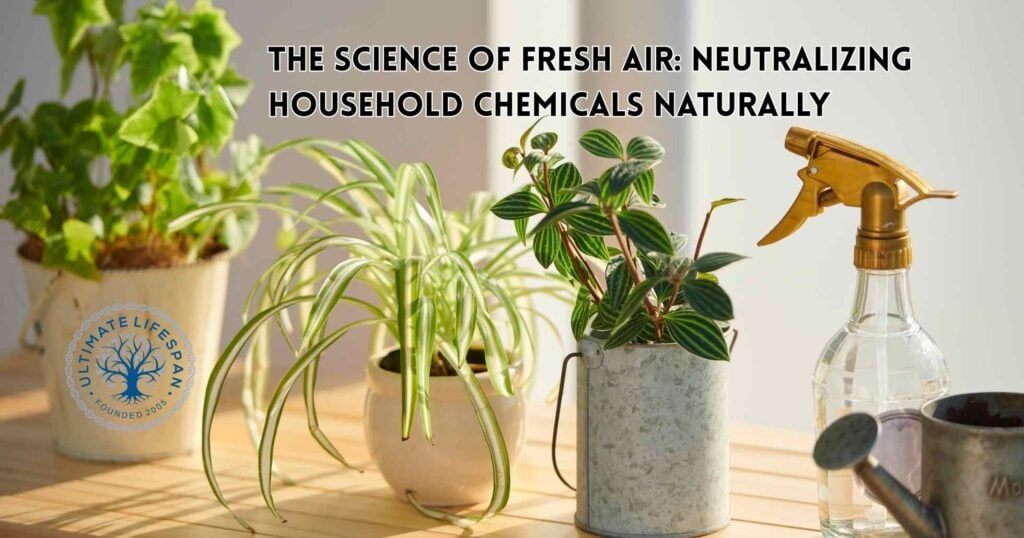
Breathing Room: 7 Houseplants for a Better Indoor Air Quality
Small changes that quietly support your long-term health
When we think of air pollution, we usually picture smog-choked highways, industrial factory stacks, or wildfire haze. But there is an invisible ecosystem closer to home that demands our attention.
In our quest for energy efficiency, modern homes have become hermetically sealed environments. While this is excellent for utility bills, it creates a “trap” for indoor pollutants. Furniture, synthetic rugs, cleaning agents, synthetic air “fresheners”, and even your morning hairspray release Volatile Organic Compounds (VOCs) that linger in the air you breathe for hours.
Nature has a solution.
In the late 1980s, NASA discovered that houseplants are not merely decorative; they are complex, living air-filtration systems. Through their leaves and roots—and the symbiotic microbes in their soil—plants capture toxins and break them down. They don’t just sit on your shelf; they work for your biological well-being.
Below are seven resilient houseplants that help you cultivate a cleaner, more vibrant home environment.
1. Snake Plant (Dracaena trifasciata)
The Bedroom Guardian
Few living things are as indestructible as the Snake Plant. With its architectural, sword-like leaves, it thrives on neglect, tolerating low light and drought with ease.

- The Science: While most plants absorb Carbon Dioxide (CO2) and release Oxygen (O2) during the day, the Snake Plant performs a unique type of photosynthesis called Crassulacean Acid Metabolism (CAM). This allows it to release oxygen at night, making it the ultimate bedside companion for better sleep quality. It targets tough toxins like formaldehyde and benzene.
- Care Level: Beginner. Water sparingly; let the soil dry out completely.
- Pet Safety: Toxic. Keep away from curious chewers.
- Did You Know? In some cultures, this plant is known as “Mother-in-Law’s Tongue” because of its sharp, pointed leaves—a tongue-in-cheek reference to sharp words!
2. Spider Plant (Chlorophytum comosum)
The Regenerative Filter
If you have a “black thumb,” start here. Spider plants are incredibly forgiving and grow enthusiastically, producing cascading “spiderettes” (baby plants) that add softness and movement to any room.

- The Science: These plants are efficiency powerhouses. Studies suggest they are particularly adept at scrubbing formaldehyde—a carcinogen found in pressed wood, grout, and paper products—from the air. Some research indicates they may also reduce traces of Carbon Monoxide (CO).
- Care Level: Beginner. Thrives in bright, indirect light but tolerates shade. Water when the top inch of soil is dry.
- Pet Safety: Safe. One of the few non-toxic options, making it perfect for homes with cats and dogs.
- Did You Know? Spider plants are so prolific that a single healthy mother plant can produce hundreds of “babies” in its lifetime, offering you an endless supply of gifts for friends and family.
3. Peace Lily (Spathiphyllum)
The Humidity Booster
Beyond its elegant white bracts (flowers), the Peace Lily is a functional workhorse. It has a high transpiration rate, meaning it releases plenty of moisture back into the air.

- The Science: This plant is a heavy lifter against the “Big Three” of indoor solvents: benzene, formaldehyde, and trichloroethylene. It also combats ammonia, often found in harsh bathroom cleaners.
- Care Level: Intermediate. Prefers medium to low light. It is a “drama queen”—it will droop dramatically when thirsty and perk up within an hour of watering.
- Pet Safety: Toxic. The leaves contain calcium oxalate crystals which irritate the mouth and stomach.
- Did You Know? The white “flower” isn’t actually a flower—it is a specialized leaf called a spathe that protects the tiny true flowers on the spike inside.
4. Aloe Vera (Aloe barbadensis miller)
The Medic on the Windowsill
Aloe Vera is the ultimate multi-tasker: a sculptural succulent, a first-aid kit, and an air monitor all in one.

- The Science: Aloe targets formaldehyde and benzene. Uniquely, Aloe acts as an environmental alarm system; if indoor air pollution becomes excessive, the leaves may develop brown spots, visually warning you that the air quality has dropped.
- Care Level: Beginner. Needs bright, sunny spots (kitchen windows are ideal). Deeply water only when the soil is bone dry.
- Pet Safety: Toxic. Ingestion can cause vomiting and lethargy in pets.
- Did You Know? Historical records suggest that Aloe Vera was part of Cleopatra’s daily beauty regimen and was known to the ancient Egyptians as the “Plant of Immortality.”
5. English Ivy (Hedera helix)
The Mold Fighter
While it is an aggressive grower outdoors, inside the home, English Ivy is an elegant trailing plant that brings a classic, library-chic aesthetic.

- The Science: This plant is particularly useful in damp spaces like bathrooms or basements. Studies suggest English Ivy can reduce airborne mold particles, potentially aiding those with mold allergies or respiratory sensitivities.
- Care Level: Intermediate. Prefers bright light and consistently moist (but not soggy) soil.
- Pet Safety: Toxic. Keep hanging baskets high and out of reach.
- Did You Know? English Ivy is one of the few plants that can cling to almost any surface using tiny aerial rootlets, allowing it to climb vertical walls in the wild to reach sunlight.
6. Boston Fern (Nephrolepis exaltata)
The Skin Hydrator
Boston Ferns create an immediate sense of lush, prehistoric beauty. Their feathery fronds provide a massive amount of surface area for photosynthesis and transpiration.

- The Science: Because they release significant moisture, Boston Ferns act as natural humidifiers. This helps combat the drying effects of AC and heaters, soothing dry skin and dry nasal passages. They are also effective against xylene, a solvent found in paints and rubber.
- Care Level: Advanced. They crave high humidity and moist soil. Brown tips usually mean the air is too dry.
- Pet Safety: Safe. A lush, worry-free option for pet owners.
- Did You Know? The Boston Fern sparked a phenomenon in the Victorian era called “Pteridomania” (Fern Fever), where ferns became the ultimate symbol of taste and intelligence in the home.
7. Rubber Plant (Ficus elastica)
The Heavy Duty Scrubber
With its thick, glossy, burgundy-green leaves, the Rubber Plant makes a bold statement. It grows vertically and can become a stunning focal point in a living room.

- The Science: The sheer size of the leaves allows for maximum gas absorption. They are excellent at trapping particulate matter and reducing formaldehyde levels found in modern carpeting and upholstery.
- Care Level: Intermediate. Bright, indirect light is best. Don’t overwater; they hate “wet feet.”
- Pet Safety: Mildly Toxic. The milky sap can cause skin irritation or digestive upset.
- Did You Know? In its native habitat of India and Java, the roots of the Rubber Plant are sometimes guided across chasms to grow into “living bridges” that can support the weight of humans.
The Invisible Enemy: What Are We Filtering?
To understand why these plants are vital, it helps to identify the enemy. Here is a quick breakdown of the common chemicals plants help remove:
| Chemical | Common Household Sources |
| Formaldehyde | Plywood, particleboard, glues, drapes, and carpet backing. |
| Benzene | Tobacco smoke, detergents, paints, and furniture wax. |
| Trichloroethylene | Dry-cleaned clothing, printing inks, and lacquers. |
| Ammonia | Window cleaners, floor waxes, and fertilizers. |
| Xylene | Rubber, leather, vehicle exhaust, and tobacco smoke. |
Growing a Healthier Home
Improving your indoor air quality doesn’t require a complete renovation. It begins with awareness and small, steady choices.
Think of these plants as quiet roommates that pay their rent by cleaning your air. They remind us that health isn’t just about diet and exercise—it is about the environment we cultivate where we sleep, eat, and gather. When paired with natural cleaning products and regular ventilation, these botanical allies help create a home that is calmer, cleaner, and truly alive.

Sources:
NASA. Interior Landscape Plants for Indoor Air Pollution Abatement. National Aeronautics and Space Administration, 1989.
Wolverton, B. C. How to Grow Fresh Air: 50 Houseplants That Purify Your Home or Office. Penguin Books, 1997.
Hind Rasheed, Jayasree T K, The multifaceted role of indoor plants: A comprehensive review of their impact on air quality, health, and perception. Science Direct. March 2025
U.S. Environmental Protection Agency. An Introduction to Indoor Air Quality. EPA
About the Author Buck Rizvi
Founder for Ultimate Lifespan. Natural Health Researcher & Evangelist. Father of four. Instrument-rated pilot. Still has trouble impressing his wife and best friend, Daiva.


Popular posts
Session expired
Please log in again. The login page will open in a new tab. After logging in you can close it and return to this page.